The new ChatGPT is half price. Should you care?
OpenAI's GPT-5.6 Sol vs Claude Fable 5, explained for normal people. What “1 million tokens” actually means, why the spinner is dead, and what your $20 a month buys now.
How deep do you want to go? Pick a level and the article rewrites itself.
What happened.
On 9 July, OpenAI, the ChatGPT people, released a new family of AI models called GPT-5.6. It comes in three sizes: Luna, Terra and Sol. Think small, medium and large, but named by someone who's just bought a telescope.
Sol is the large one, and it's the story. It's roughly as clever as the best AI money can currently buy, Anthropic's Claude Fable 5, released a month earlier. But it costs businesses half as much and answers dramatically faster.
That's the whole headline. Everything else is detail. But the detail is where it gets interesting, because two of Sol's party tricks are genuinely useful to anyone with a $20-a-month subscription, and nobody explains them in normal words. Let's fix that.
Party trick one: it stopped forgetting.
You'll see the phrase “1 million token context window” everywhere this week. Here's what it actually means.
An AI's context window is its short-term memory: how much of your conversation it can hold in its head at once. Go past the limit and it quietly forgets the beginning. It's why the chatbot that was brilliant on page one starts asking questions you already answered an hour in.
Sol's short-term memory holds about 750,000 words. That's roughly eight Harry Potter-sized novels, at once, in one conversation.
In practice: stop feeding it snippets. Paste in the entire contract, not the clause. The whole year of meeting notes, not last week's. Every complaint email from that one difficult customer since January. It reads all of it, remembers all of it, and answers questions about page 4 while quoting page 400.
If you've been carefully copying paragraphs in one at a time, you can stop. That's the upgrade.
Party trick two: the spinner is dead.
Sol also runs on new special-purpose chips, made by a company called Cerebras, whose processors are the size of a dinner plate. They let it write about 560 words a second. A full page of text in under half a second. Faster than you can read the first line of it.
Why care? Because the modern AI experience is still, quite often, watching a little animation while the machine thinks. When answers arrive instantly, you use the thing differently: it stops being a slot machine and starts being a colleague. Ask, answer, ask again. The tools that feel instant are the tools people actually use.
So which one is actually better?
Honest answer: they're better at different things, and the difference matters less than the AI industry would like you to believe.
- Price: Sol wins. Half the cost. Expect cheaper plans and more generous usage limits to follow.
- Speed: Sol wins. Answers land before you've finished your sip of tea.
- Everyday questions (emails, summaries, “explain this document”): both excellent. You'd struggle to tell them apart day to day. Sol edges it, and does it faster.
- The genuinely hard stuff: Fable wins. It's still the smartest one in the room: better at maths, and better at big messy jobs it can chew through on its own for hours. Sol can dither when a problem has no single right answer.
- Trustworthiness: a draw, with different flaws. Sol still makes things up occasionally (slightly more than its predecessor, oddly) and is a bit keen; sometimes it does more than you asked. Fable has fewer surprises, but hands some topics to its more cautious older sibling behind the scenes.
- Overall: Fable is still the champion, by a nose, at twice the price. Sol is the best value in AI right now.
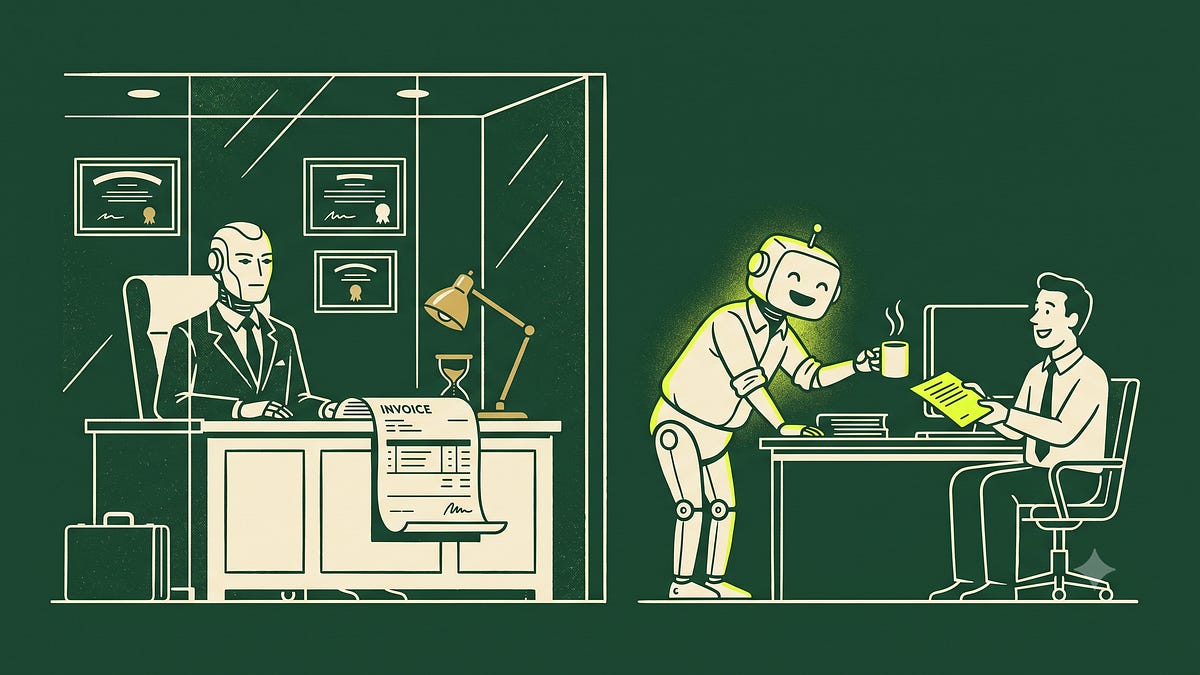
Fable is the brilliant consultant you book for the hard stuff. Sol is the sharp colleague who sits next to you and answers instantly.
One health warning: all the “world's best model” claims this week come from OpenAI marking its own homework. Nobody independent has checked yet. Normal for launch week, but it's why the sensible move is to wait a fortnight before believing any chart.
Will the Chinese models ever catch up?
Mostly, they already have. Models you may never have heard of (DeepSeek, Kimi, Qwen) now sit roughly eight months behind the best American ones, according to the US government's own testers. For writing emails and summarising documents, most people couldn't tell the difference in a blind taste test.
And they cost pennies. Some are effectively free: download them and run them on your own kit, no subscription at all.
So why isn't everyone using them? Two reasons.
First, that eight-month gap has been “about eight months” for two years. Every time they catch up to where the leaders were, the leaders have moved. The shiniest new abilities keep appearing in San Francisco first, partly because America restricts which computer chips China can buy, and this stuff runs on warehouses full of very specific, very expensive processors.
Second, the awkward question of where your data goes. Plenty of companies won't touch them for that reason alone, whatever the price tag.
The practical summary: the cheap seats are closer to the stage than ever. Whether you're comfortable sitting in them is a question for your IT department, not the leaderboard.
What it means for your $20 a month.
Step back from the launch-week noise and the pattern is lovely, if you're the one paying: the top models are getting closer together, faster, and cheaper, all at once. Two years ago the best AI was miles ahead of everything else and priced accordingly. Today the top three or four are separated by a coat of paint.
For anyone on a $20–$100 monthly plan:
- The “which one is best?” question matters less than ever. They're all excellent. Pick the app you actually enjoy using, the one whose answers you like reading. That's a legitimate way to choose, whatever the charts say.
- Loyalty is expensive. The leaderboard changes every couple of months. If your subscription renews annually, ask yourself why.
- The expensive tier is for the hard stuff. If you're mostly writing emails and summarising documents, the mid-price models are already more than you need.
The AI companies are locked in a knife-fight over price and speed. Historically, when suppliers do that, the customer wins. Enjoy it.
Three moves before your next renewal.
Go deeper, then get the next issue in your inbox.
The full Substack version has the same argument with more evidence trail, the full source list, and the bits the article didn't have room for. Subscribe and each new issue lands in your inbox. Practical, evidence-led, no hype.